Logomania: The power of branding
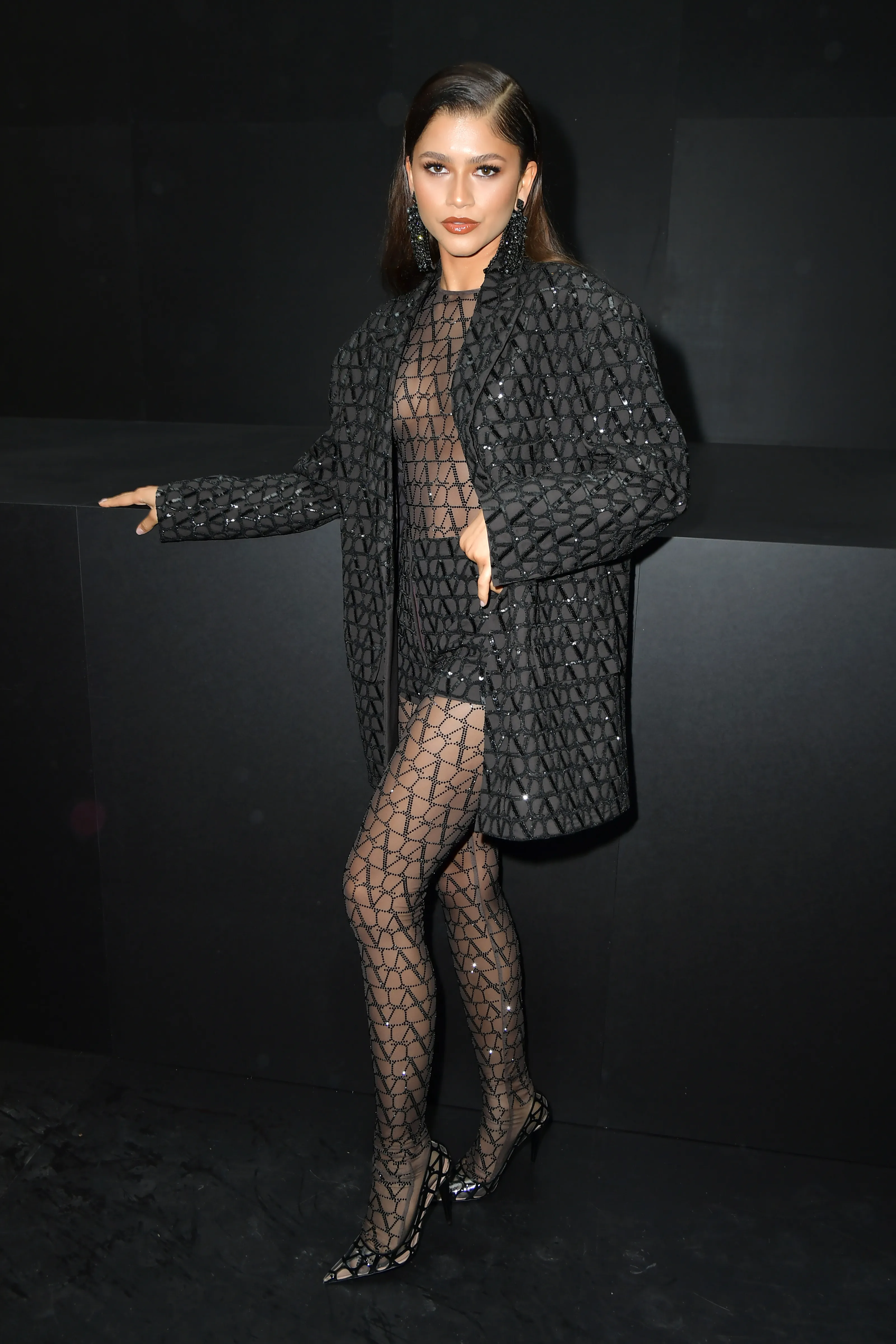
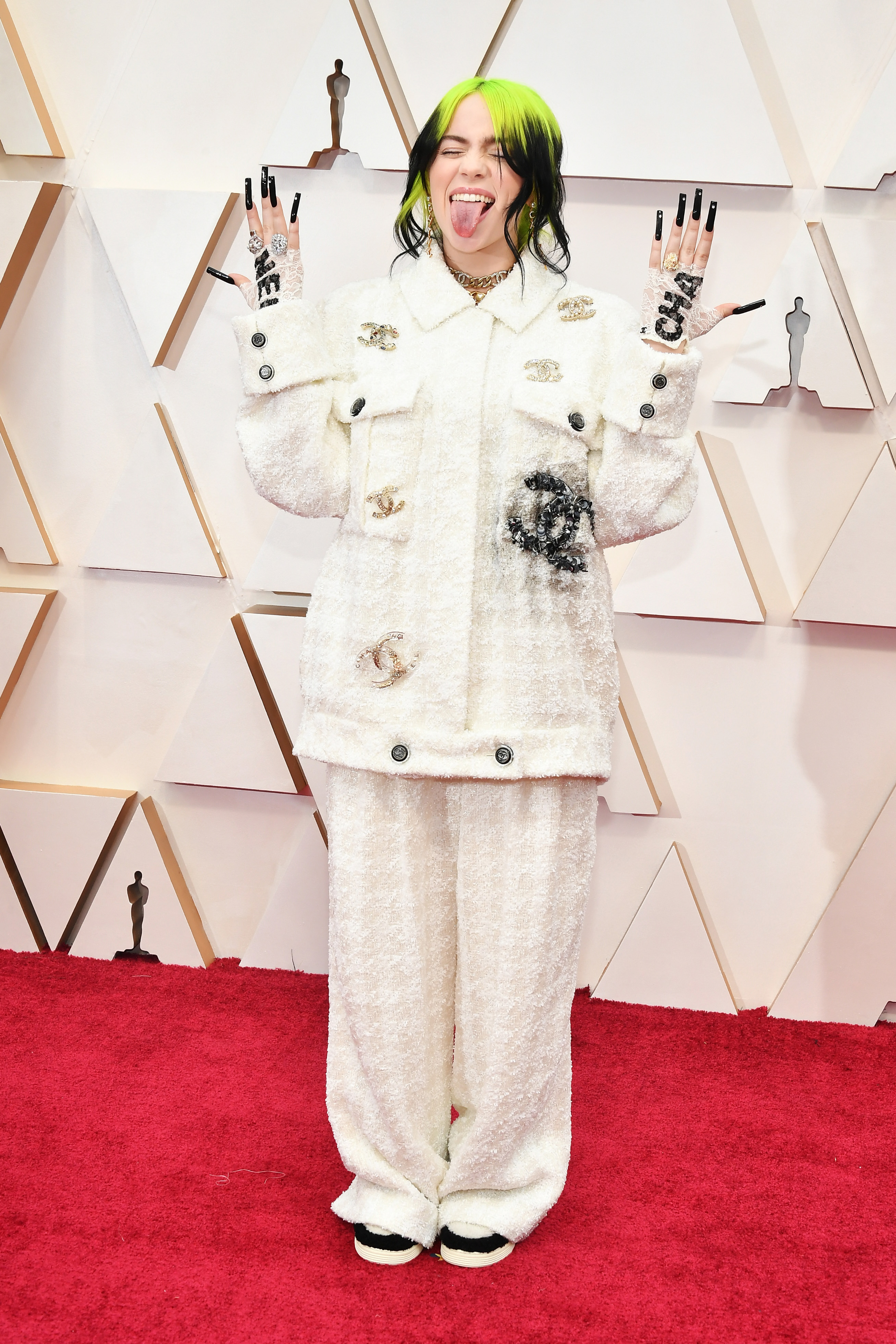
Right: Zendaya in Valentino, 2022 Left: Billie Eilish in Chanel, 2020
Logomania is a trend that has captivated the fashion industry and consumers everywhere for decades. Defined as the excessive use of logos and brand names in clothing and accessory design, logomania is a cultural phenomenon that reflects our society's complex relationship with consumerism, status, and the magnetism of luxury brands. The rarity and exclusivity associated with these brands make their logos coveted symbols of prestige and something to strive to achieve. Wearing clothing or accessories with an iconic logo often feels like gaining access to a secret society of individuals who share a taste for the finer things in life.
Logomania gained momentum with the emergence of luxury brands like Gucci, Louis Vuitton, and Chanel, who prominently displayed their logos on their products. This trend was, in part, a response to the expanding consumer culture of the time. Although luxury brands created and used recognizable logos in designs, logomania traces back to Dapper Dan, a Harlem-native style icon and designer. Throughout the 80s and 90s, people sought to showcase their wealth and status through the logos they wore, and Dapper Dan saw this as an opportunity to utilize this trend by creating his own designs drenched in designer logos. Dan's work skyrocketed in popularity partly due to exposure from big names in the rising New York hip-hop scene, such as Jay-Z, Salt-N-Peppa, and LL Cool J. Although Dan's store ultimately shut down due to trademark infringement, he went on to work directly with many of the fashion houses from which he had taken inspiration.
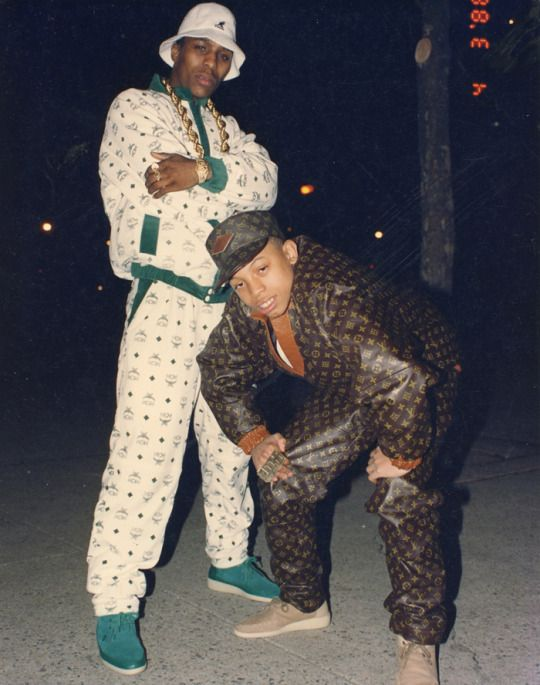
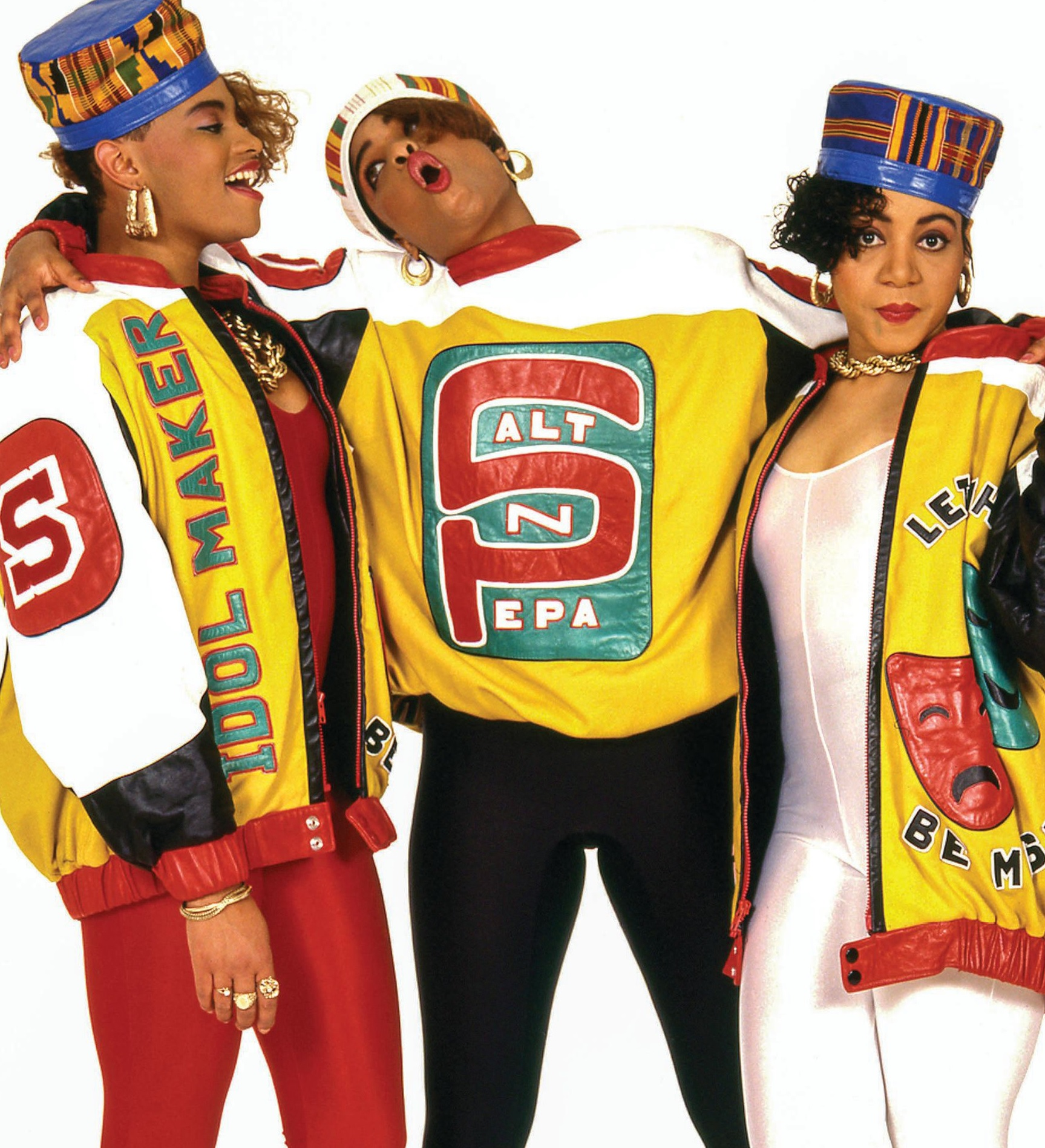
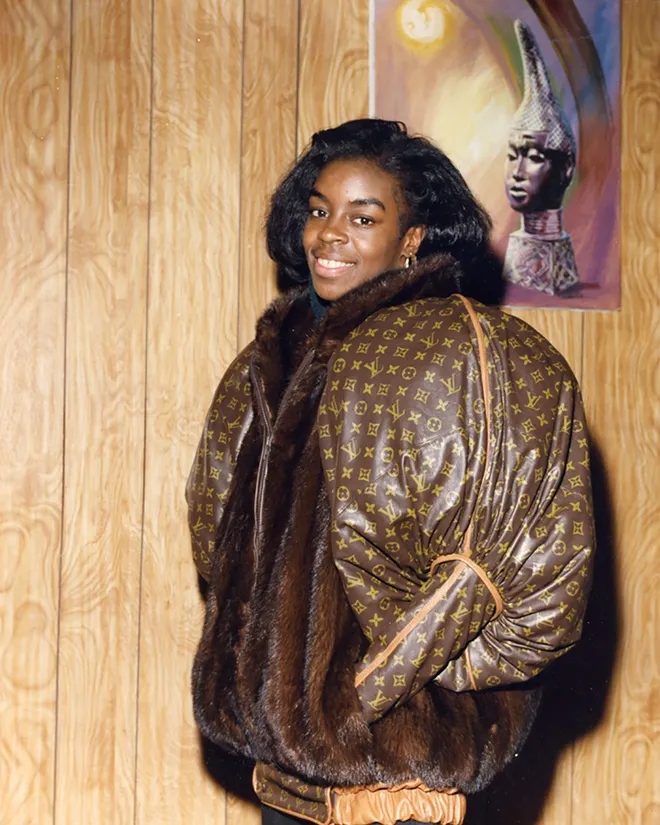
Left: Dapper Dan monogrammed sweatsuits, Middle: Dapper Dan’s creation for Salt-N-Pepa, Right: Dapper Dan’s iconic LV jacket
Luxury logos are more than just symbols; they are intricately crafted tools that convey status, identity, and aspiration. The appeal of logomania lies in the power of these symbols to communicate a narrative. Wearing a logo means aligning yourself with the values, aesthetics, and prestige that a brand represents. When we wear clothing or accessories coated in logos, we communicate something about ourselves to the world. For some, it's a declaration of their ability to afford luxury and exclusivity. For others, it's an opportunity to belong to a particular community defined by the brand.
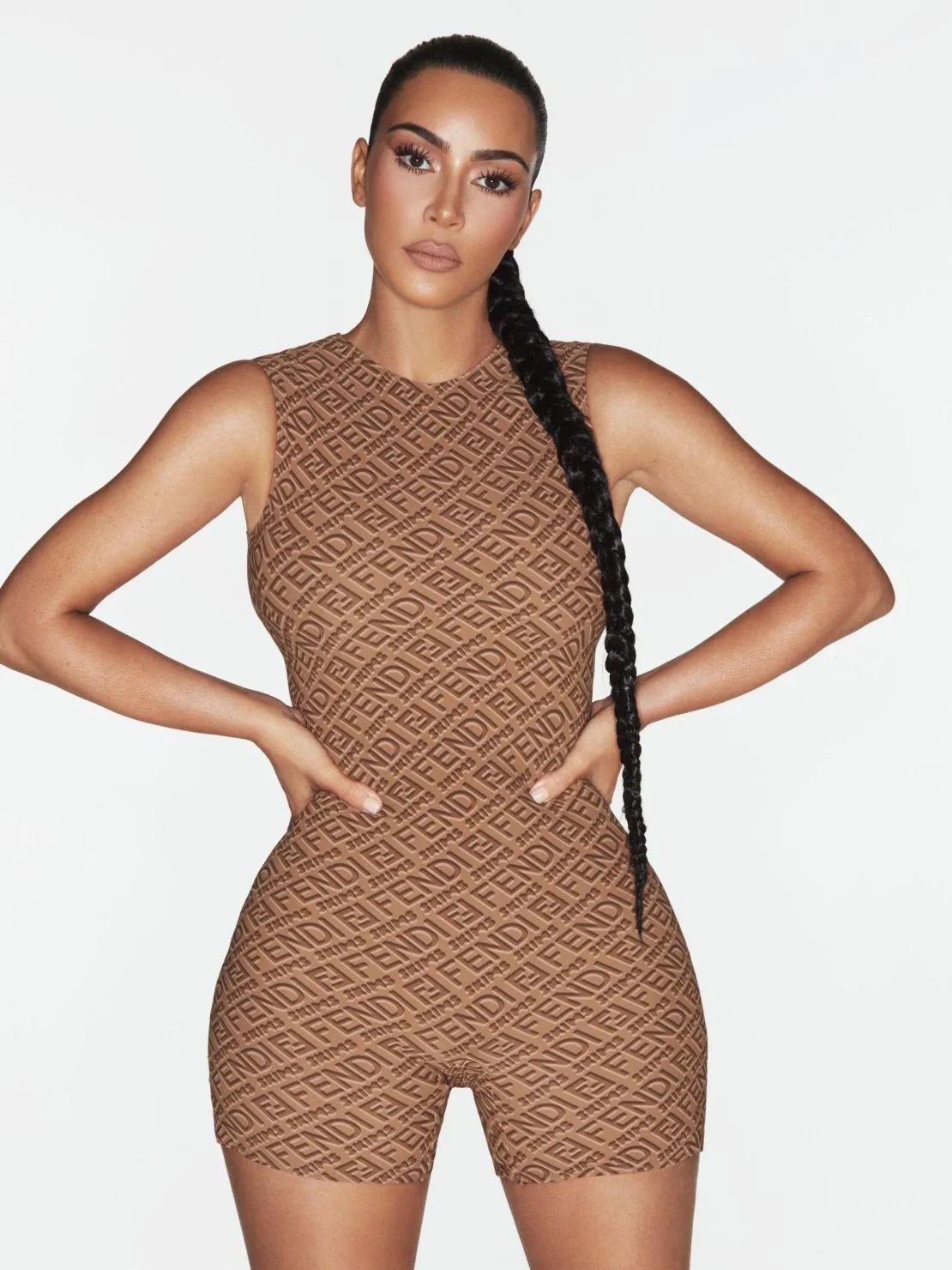
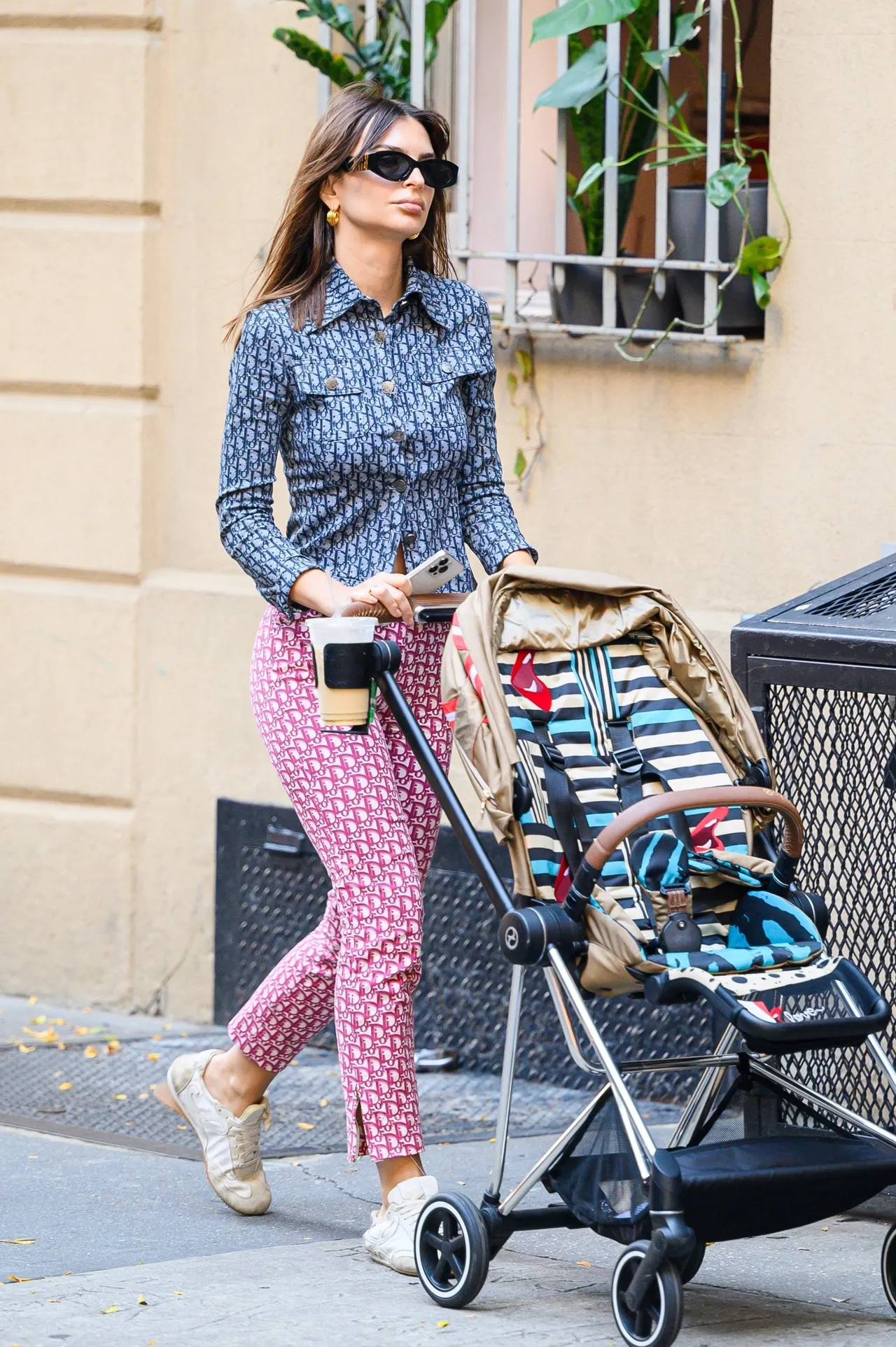
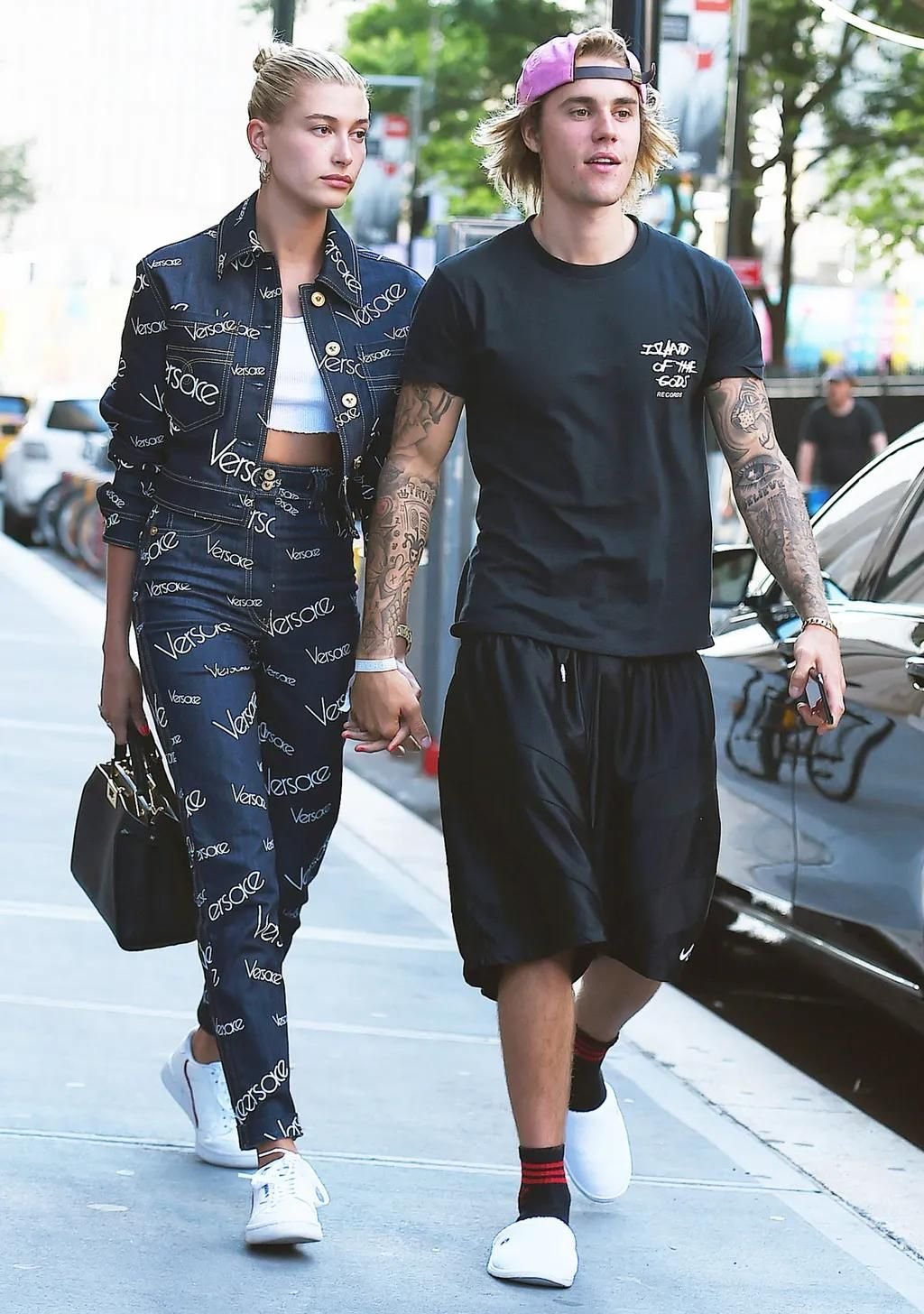
Left: Kim Kardashian wearing a Fendi x Skims bodysuit, 2021; Middle: Emily Ratajkowski in Dior, 2023; Right: Hailey Bieber in Versace denim, 2018
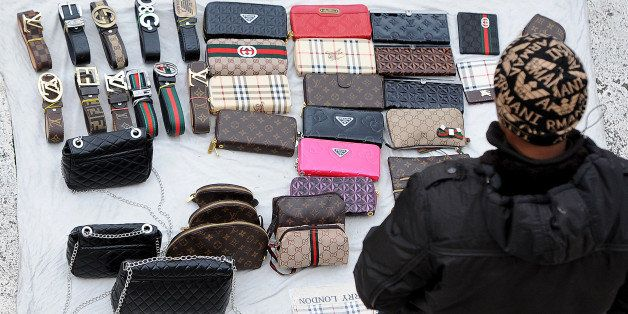
Although luxury brands have embraced logomania today, the trend is rooted in the market for counterfeit luxury goods. The illegal production and sale of items that mimic the appearance and branding of genuine luxury products is estimated to surpass over 3 trillion dollars in sales annually. Counterfeit luxury goods have become a global problem, undermining the integrity of the fashion industry and causing substantial financial losses to legitimate brands. These knockoff items are produced quickly and inexpensively, often with little regard for quality, safety, or ethical labor practices. As a result, the rise in counterfeit luxury goods poses significant challenges to both the fashion industry and consumers.
Trends come and go, but logomania has created a lasting space for itself in the luxury fashion industry. However, with the growing awareness of the need for sustainable and ethical fashion, we may shift towards more subtle branding and a preference for timeless, quality, versatile pieces over items that rely solely on logos for their appeal. The rising counterfeit market will likely lead to the world's wealthier consumers swapping heavily branded luxury goods for "quiet luxury" as logomania becomes less exclusive and elite.